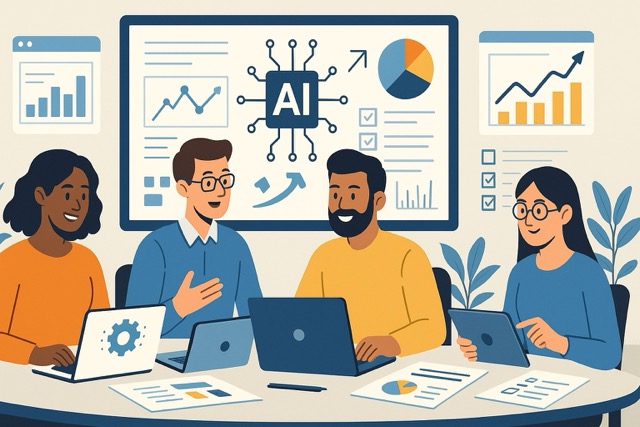

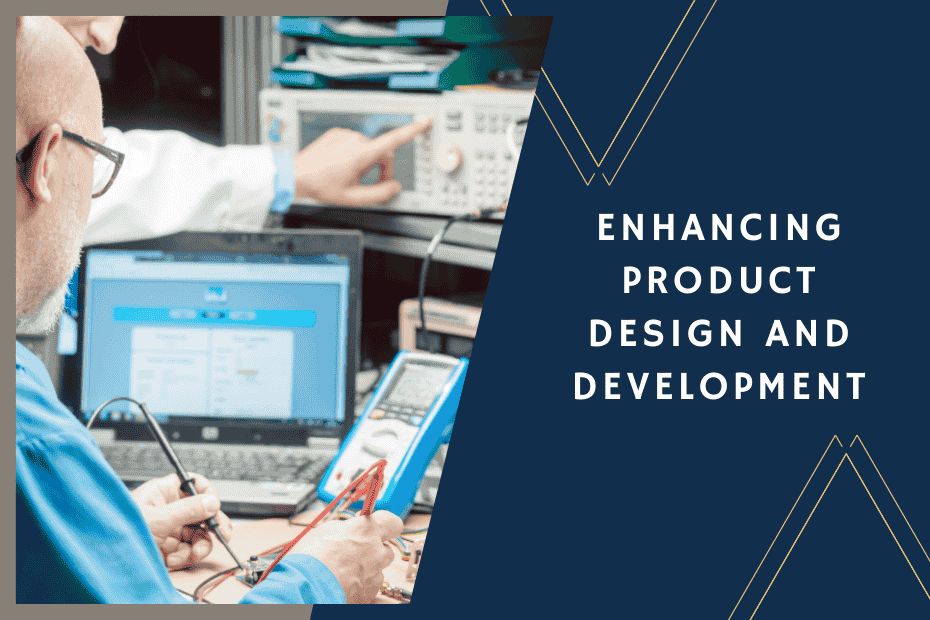
The integration of Artificial Intelligence (AI) into product design and development is revolutionizing how companies innovate, prototype, and bring products to market. AI is reshaping traditional processes by increasing efficiency, improving customization, and allowing for faster iterations. Businesses across industries are tapping into AI to optimize designs, predict market trends, and ultimately create products that resonate with consumers. Here’s a detailed look into how AI is influencing the product design and development landscape.
AI-Driven Design Optimization
AI is becoming indispensable in optimizing product designs by analyzing various parameters such as weight, size, performance, and cost. Traditionally, designers relied on manual adjustments and their expertise to balance these factors, but AI algorithms can now evaluate vast amounts of data to create more efficient designs. For example, when designing consumer electronics or automotive parts, AI can simulate how a product will perform in different environments, helping designers to tweak and refine the design before a prototype is even built.
AI’s ability to run simulations allows for quicker iterations and refinements. This is particularly useful in industries where precision and reliability are critical, such as aerospace or medical devices. By using AI to optimize designs, companies will ensure their products are more durable and cost-effective and reduce the risk of failure during the manufacturing phase. AI helps companies go beyond aesthetic and functional design by ensuring that products are aligned with real-world needs and consumer expectations.
Automation of the Design Process
AI is revolutionizing the design process by automating repetitive and time-consuming tasks. Design teams, which traditionally spent long hours on tasks like drafting, model testing, and material selection, are now seeing these processes streamlined through AI-driven tools. These tools can automatically generate design suggestions based on predefined rules, allowing designers to focus on creativity and innovation.
One area where automation is proving highly beneficial is in industries that require complex and intricate design elements, such as architecture, construction, and automotive design. For example, AI-driven generative design tools can create multiple design versions based on a set of input criteria, such as desired material strength or energy efficiency. The designer can then select the most suitable option from these AI-generated designs, speeding up the development process without sacrificing quality.
Automation isn’t just limited to the design phase; AI is also being used to streamline project management and workflow processes. By handling logistics, scheduling, and even predictive maintenance, AI can ensure that the design and development processes remain efficient and on schedule.
Generative AI for Concept Creation
Generative AI is particularly powerful in the early stages of product development, where creativity and exploration are crucial. Traditional design approaches often require starting with a blank canvas, but generative AI uses algorithms to generate a wide array of design options based on a set of input parameters. This allows designers to explore new shapes, forms, and functionalities more quickly than ever before.
For example, in the fashion industry, generative AI can suggest multiple fabric and pattern combinations, allowing designers to experiment with materials and styles without the need for physical prototypes. Similarly, in automotive design, AI can create variations of a car’s body structure, optimizing it for both aesthetic appeal and aerodynamics. The result is a product development process that is more flexible, creative, and efficient, enabling companies to innovate faster than competitors.
This ability to generate new concepts rapidly is particularly useful for industries that rely on customization, such as furniture design or wearable technology. By providing designers with a broader range of creative options, AI helps them refine ideas in less time and with greater confidence in the final product.
Predictive Analysis for Market Alignment
Predictive analysis is one of AI’s most powerful tools when it comes to aligning product designs with market demands. By analyzing consumer data, historical trends, and market conditions, AI can predict what features, styles, or functionalities will resonate with target customers. This foresight allows companies to develop products that are innovative and meet consumer expectations from the outset.
For example, AI can track consumer buying habits, product reviews, and social media trends to identify emerging preferences, such as a growing interest in sustainable materials or minimalist design. Designers can then incorporate these preferences into new product concepts, ensuring that their offerings are relevant and market-ready. This predictive capability reduces the risk of product failure, as AI offers insights that allow companies to fine-tune designs before they hit the market.
In addition, predictive analytics can help manufacturers manage their supply chains more efficiently by anticipating demand for certain products or materials. This ensures that production lines are optimized to meet market demand, reducing waste and lowering costs.
Enhancing User-Centric Design
AI is making it easier to create products that are highly personalized and user-centric. Tools like Natural Language Processing (NLP) and machine learning algorithms allow products to interact with users in more intuitive ways. For example, smart devices that respond to voice commands or AI-powered appliances that learn user preferences and adjust their settings accordingly are becoming more common.
AI also enhances user experience by integrating real-time feedback loops into product development. Companies can use AI to analyze customer reviews, product usage patterns, and sensor data to continuously improve their products. This approach ensures that products remain relevant and valuable to consumers, even after they’ve been launched.
This ability to adapt products based on user feedback is particularly important in industries like consumer electronics, where new product cycles are short, and consumer preferences change rapidly. By incorporating user data into the design process, companies can create products that better serve their customers’ needs, leading to higher customer satisfaction and loyalty.
AI in Prototyping and Testing
AI’s role in prototyping and testing is another area where it is making significant contributions. Traditionally, creating a prototype could be a costly and time-consuming process. However, AI-powered simulation tools now allow companies to test their designs virtually, before committing to physical prototypes. These simulations can predict how a product will perform in different conditions, such as extreme temperatures, high stress, or heavy usage.
For instance, in the automotive industry, AI simulations can evaluate how a new vehicle design will handle on different terrains, or how well it will perform in crash tests. This reduces the need for multiple physical prototypes, saving time and resources. In addition, AI can run these tests much faster than humans, enabling companies to bring products to market more quickly.
Moreover, AI can help optimize the testing phase by identifying potential weak points in a design that human testers might overlook. This ensures that the final product is robust and meets all safety and performance standards.
Reducing Development Costs
AI is helping to enhance product quality and to reduce development costs. By automating various aspects of the design and development process, AI minimizes the need for human labor and reduces the likelihood of errors. This leads to fewer costly revisions and faster time-to-market.
Additionally, AI can optimize manufacturing processes by identifying inefficiencies in production lines, suggesting alternative materials, or improving energy usage. For instance, AI can recommend ways to simplify the design of a product, allowing it to be produced more cheaply without sacrificing quality. These cost-saving measures are critical in industries like consumer goods, where margins are often tight.
By analyzing data across the entire supply chain, AI helps companies make smarter decisions about material sourcing, production scheduling, and inventory management. This holistic approach to cost reduction ensures that companies can maintain profitability while still delivering high-quality products to the market.
Essential AI-Driven Innovations in Product Design and Development
- AI optimizes product designs by balancing factors like weight, cost, and performance for better efficiency.
- Automates design processes, freeing designers to focus on innovation and creativity.
- Generative AI accelerates concept creation by offering multiple design options quickly.
- Predictive analytics ensures products align with current market trends, minimizing the risk of product failure.
- User-centric design is enhanced through AI’s ability to personalize products and improve user interactions.
- Prototyping and testing are streamlined by AI simulations, reducing time and resources needed.
- AI reduces development costs by improving efficiency across design, testing, and manufacturing.
In Conclusion
The role of AI in product design and development is undeniably transformative, offering businesses new ways to innovate faster, more efficiently, and with greater precision. By leveraging AI’s predictive capabilities, automation, and design optimization tools, companies can stay ahead of the competition and deliver products that meet both consumer needs and market demands. As AI technology continues to advance, its impact on product development will only grow, pushing the boundaries of what is possible in design.